
The Last Land Grab: What the Arctic Treaty Was Hiding


The Quiet End of an Era
While the world argues over elections and inflation, a quieter clock is ticking.
The Arctic Treaty, the Cold War accord that kept the top of the world neutral and cooperative, is nearing expiry.
Few are paying attention — but for those who understand geography as strategy, this is not just an environmental story. It’s an economic reset waiting to happen.
The Arctic is larger than Europe. Beneath its ice lie minerals worth trillions, routes that shorten global trade, and access points that could rewrite global power.
The world’s final unclaimed frontier is melting — and with it, the last illusion of neutrality.
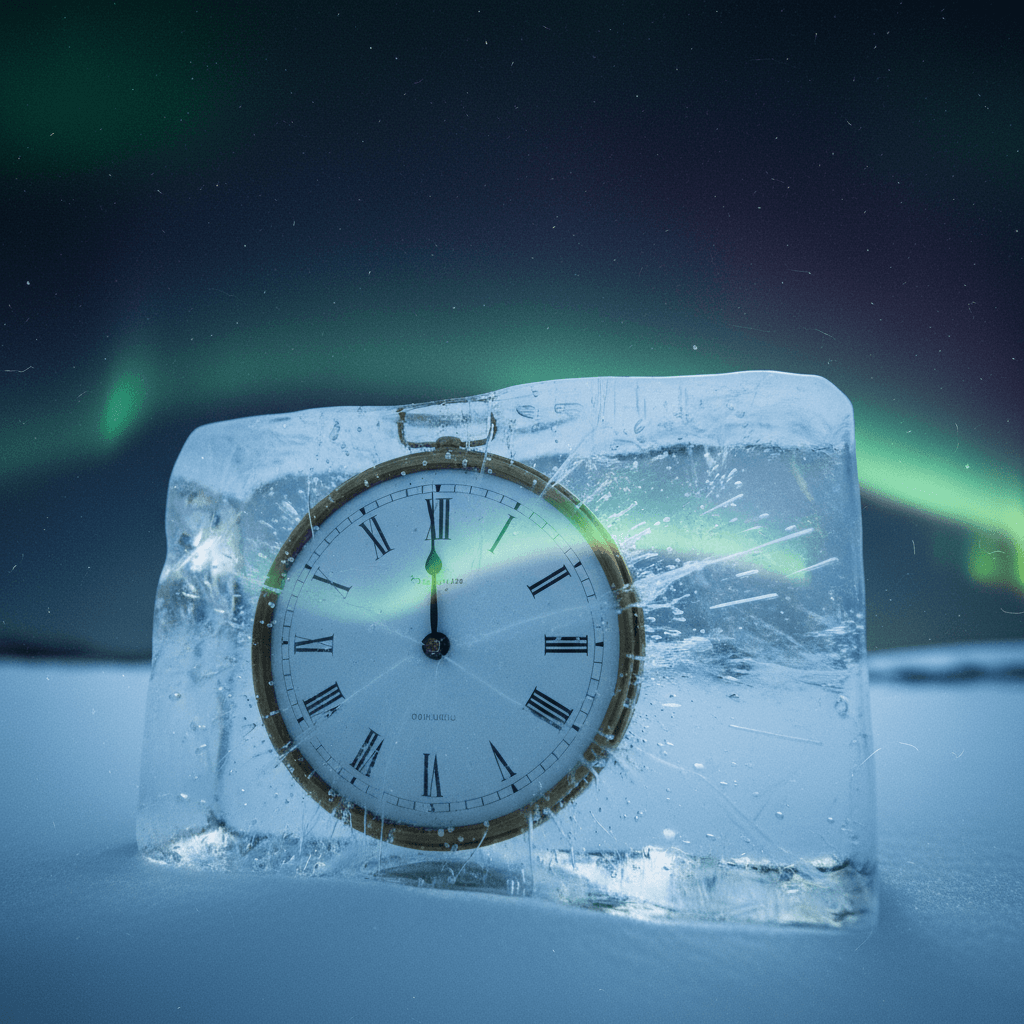
A History of Ice and Intent
The Treaty was born in a different world.
It was designed to prevent conflict, nuclear testing, and unilateral resource grabs in a region too remote to fight over.
That era is gone.
The ice is receding faster than models predicted.
New tech allows drilling, mining, and deep-sea mapping once thought impossible.
The climate narrative, once about protection, has quietly shifted to “strategic adaptation.”
What was once a scientific cooperation zone is becoming the planet’s most valuable real estate.
The ice was a barrier. Now it’s an invitation.
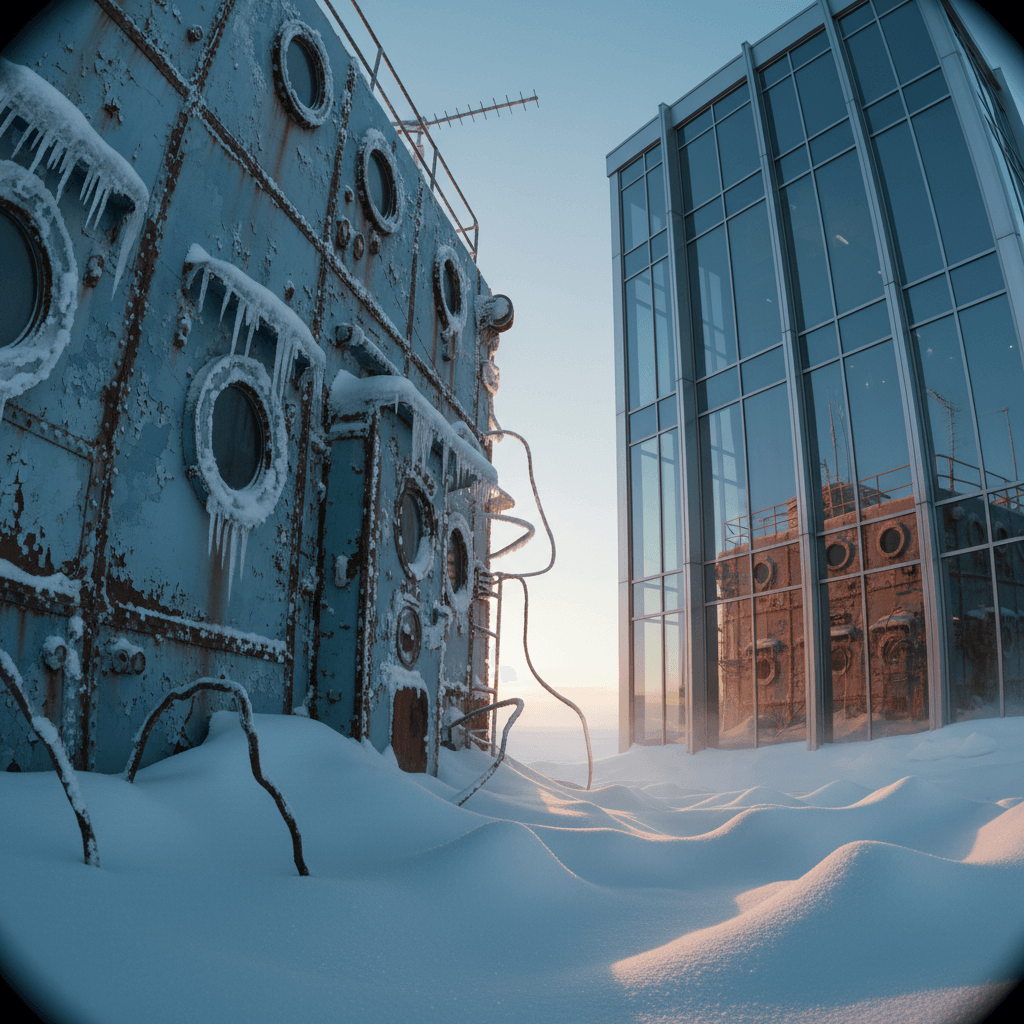
Greenland — The Key That Didn’t Fit (Yet)
In 2019, when Donald Trump offered to buy Greenland, the world laughed.
But those who understand power maps didn’t.
Greenland is the Arctic’s master key:
Rich in rare earths that could break China’s monopoly.
Geographically positioned to control Northern trade routes.
Home to Thule Air Base, one of the most strategic radar sites on Earth.
Trump wasn’t trying to buy a country — he was trying to buy a future.
The world wasn’t ready for that deal then. It might be now.
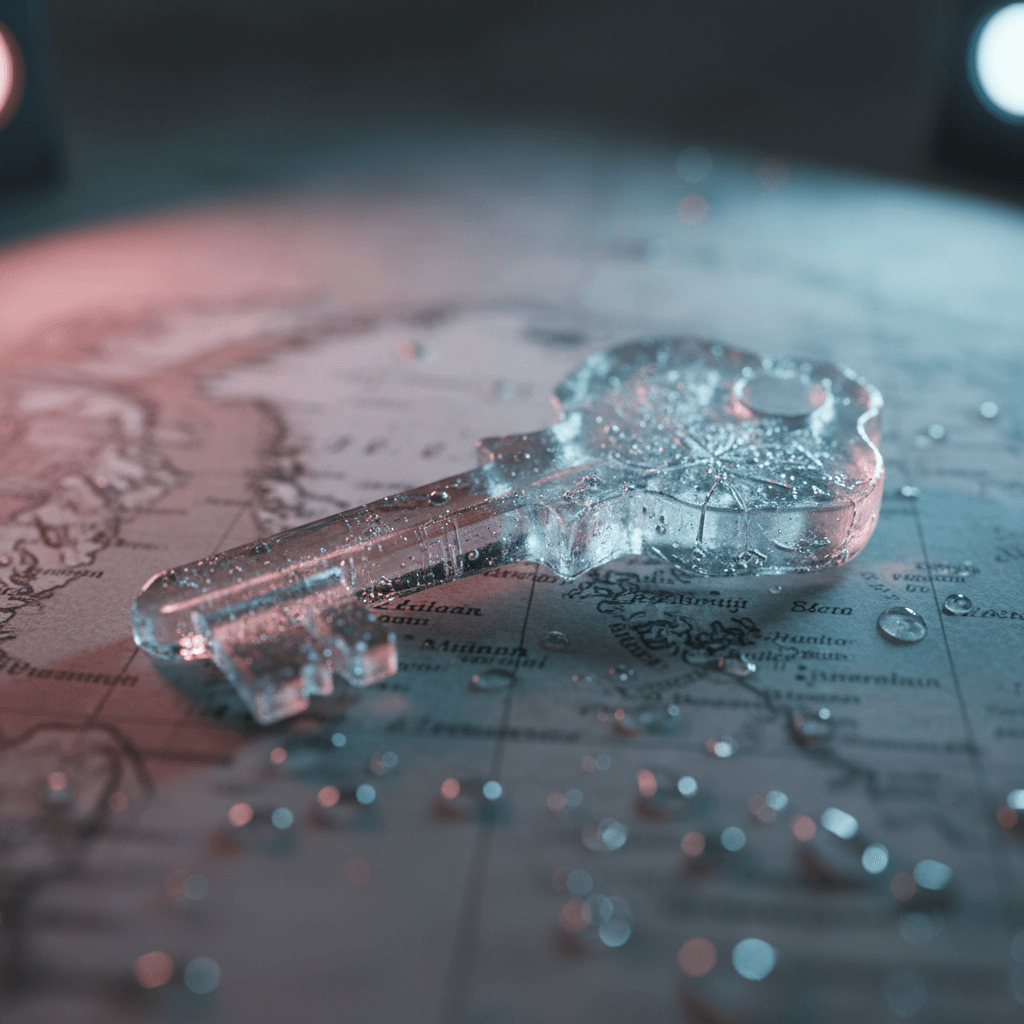
The Real Estate of the Future
Under the melting ice lies the mineral matrix of the 21st century:
nickel, cobalt, lithium, uranium, helium-3, and untapped oil and gas.
Ironically, the Arctic could power the green transition while destroying itself in the process.
Every year, new routes open. Every decade, new mines appear.
Geologists estimate the Arctic could hold 25% of the world’s undiscovered hydrocarbons and critical minerals worth over $30 trillion.
This isn’t exploration. It’s a quiet auction.
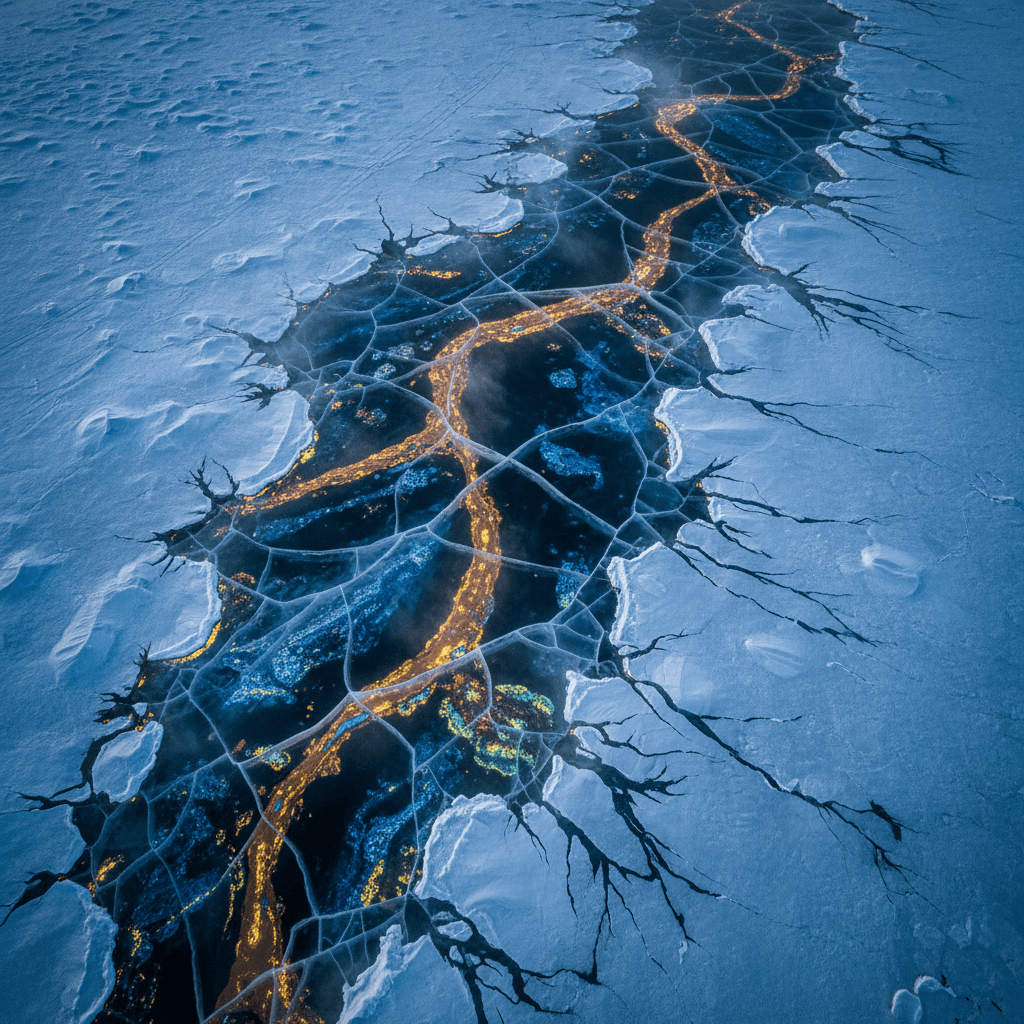
The New Cartographers
A new generation of map-makers is emerging — not explorers, but data analysts, energy CEOs, and defence planners.
Russia builds ports and icebreaker fleets.
China declares itself a “near-Arctic” power, investing in mining and telecoms.
The U.S., Norway, and Denmark (via Greenland) expand bases and satellite networks.
Private consortiums embed extraction under “climate research.”
On the surface, it’s collaboration. Underneath, it’s consolidation.
Everyone’s mapping the same ice differently — and whoever draws the map first will define the next century.
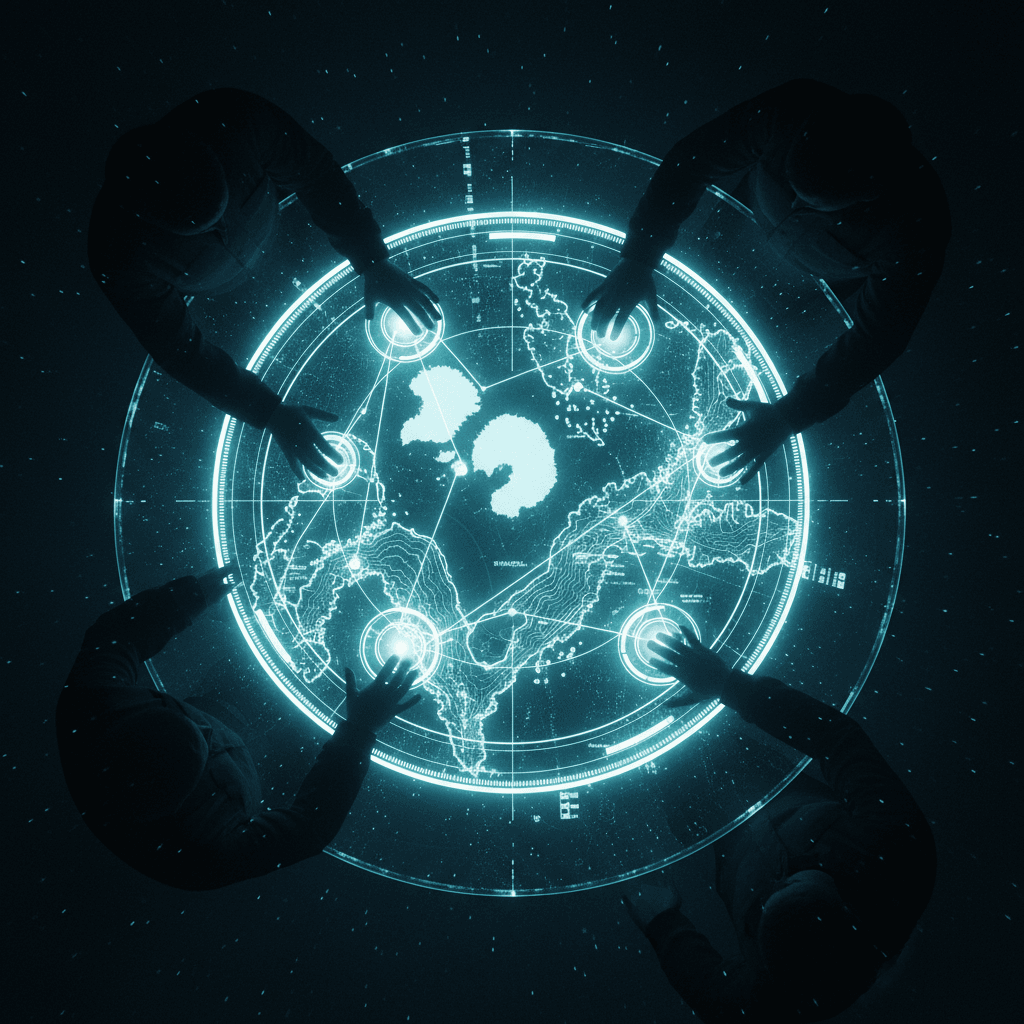
From Peace to Presence — The Militarised Arctic
The Arctic was once science’s sanctuary.
Now it’s a military chessboard.
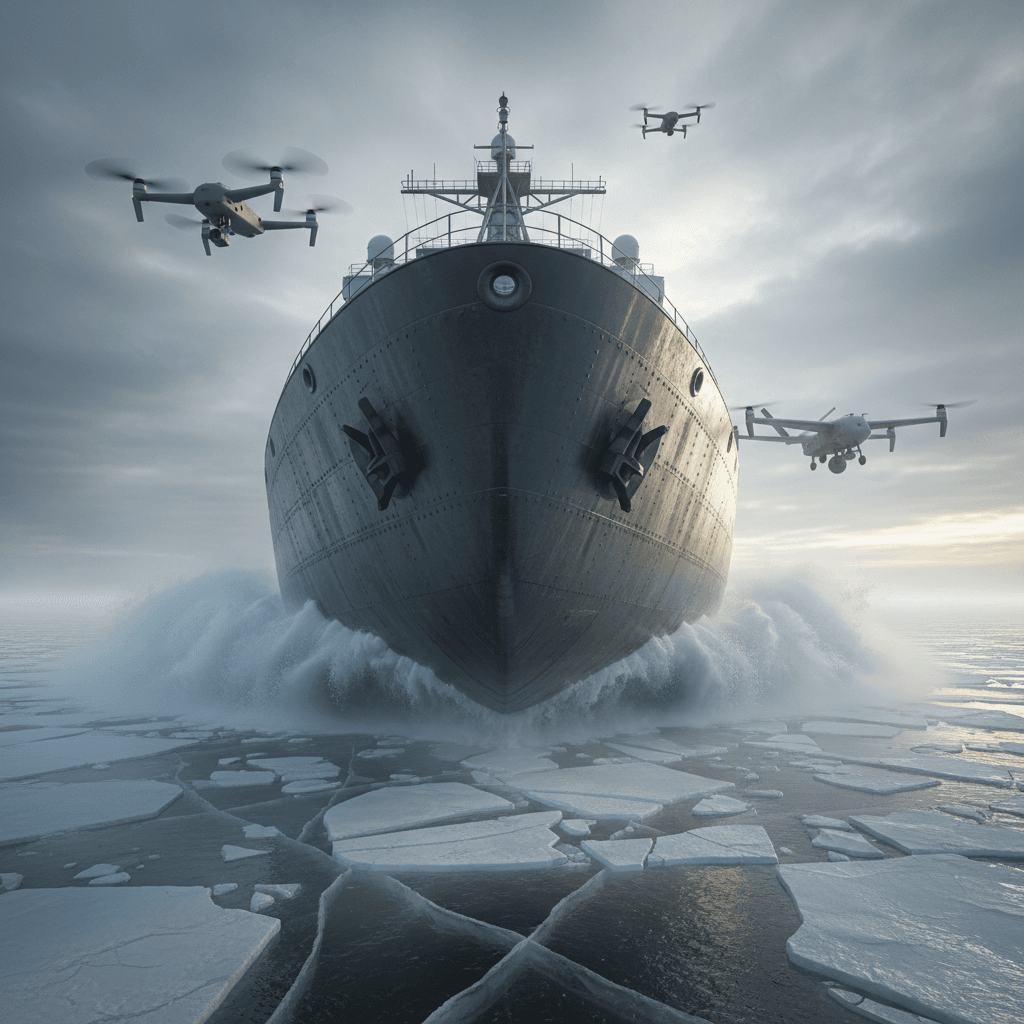
Russia reactivates Cold War bases.
The U.S. re-establishes fleets in Alaska.
NATO satellites trace shipping lanes.
China’s icebreakers sail under flags of “research.”
The Arctic’s silence has been replaced with sonar.
What began as cooperation has become covert competition.
Whoever controls the Arctic controls not just territory — but time: shipping times, data latency, response times.
The coldest battlefield on Earth is heating up.
The Paradox of Abundance
The Arctic could create abundance — enough minerals, routes, and energy to lift economies worldwide.
But in a scarcity-based system, abundance is dangerous.
Abundance decentralises power.
And control depends on keeping value scarce.
So instead of collaboration, we get containment.
Instead of sharing, we get staking.
It’s not that the system fears loss — it fears freedom.
The melting ice exposes more than land. It exposes our inability to evolve beyond extraction.

What the Treaty Was Hiding
The Arctic Treaty wasn’t just about peace — it was about postponement.
A pause button until the world had the tools to exploit the region efficiently:
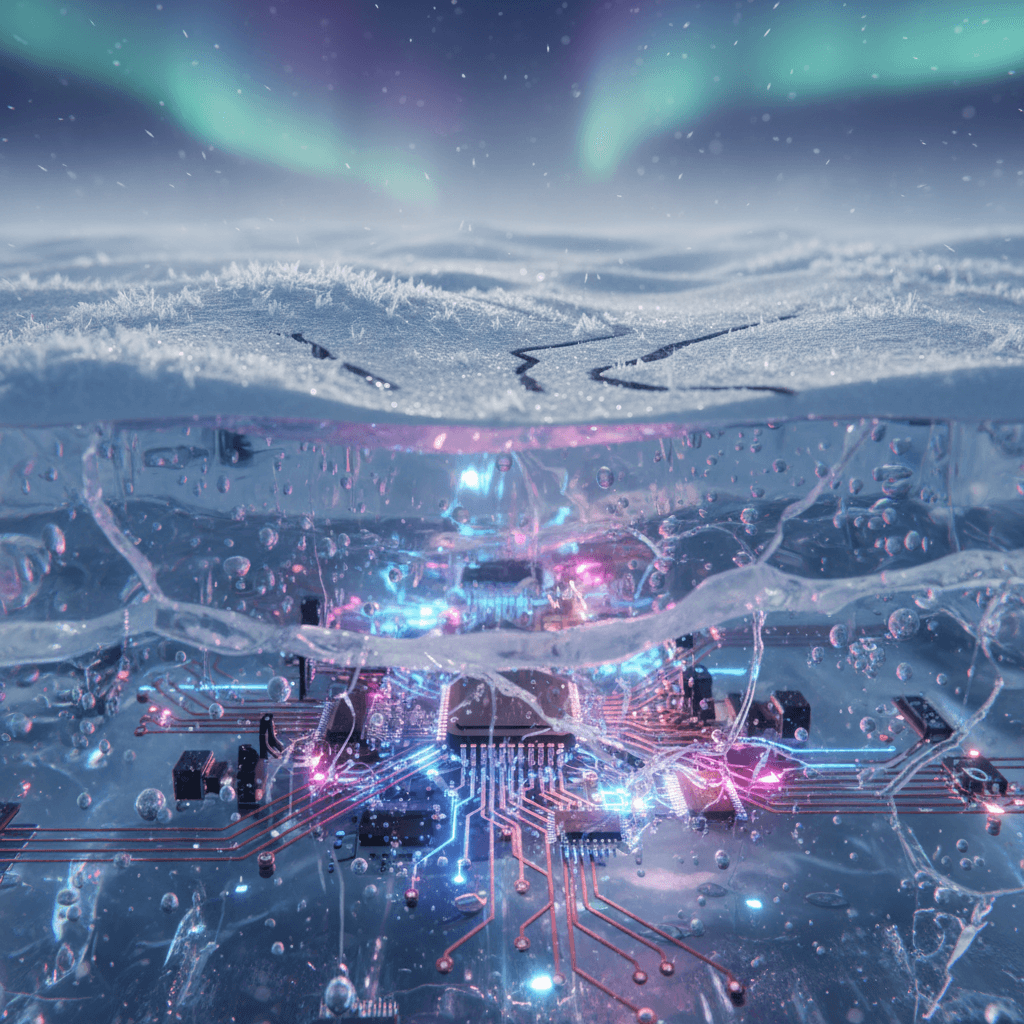
AI for mapping, quantum computing for simulation, satellite grids for oversight.
That moment has arrived.
The end of the Treaty coincides with the rise of planetary data visibility — everything tracked, mined, measured.
Greenland’s independence talks, China’s Arctic strategy, NATO’s expansion — all signal a coordinated shift.
The real Arctic war won’t be fought with tanks or torpedoes.
It will be fought with claims, data, and contracts.
The RAMS Perspective — Building the Alternative Map
At Project R.A.M.S., we don’t see the Arctic as a prize.
We see it as a mirror — reflecting humanity’s inability to balance innovation with restraint.
We believe the future map should be built on:
Data Sovereignty: control your information before someone else does.
Transparency: resource mapping without resource hoarding.
Collaboration through resilience: real alliances, not corporate mergers disguised as treaties.
We are not anti-progress.
We’re anti-extraction without conscience.
True leadership doesn’t chase what’s melting — it builds what lasts.
Conclusion — The Ice Will Melt, But the Memory Must Stay
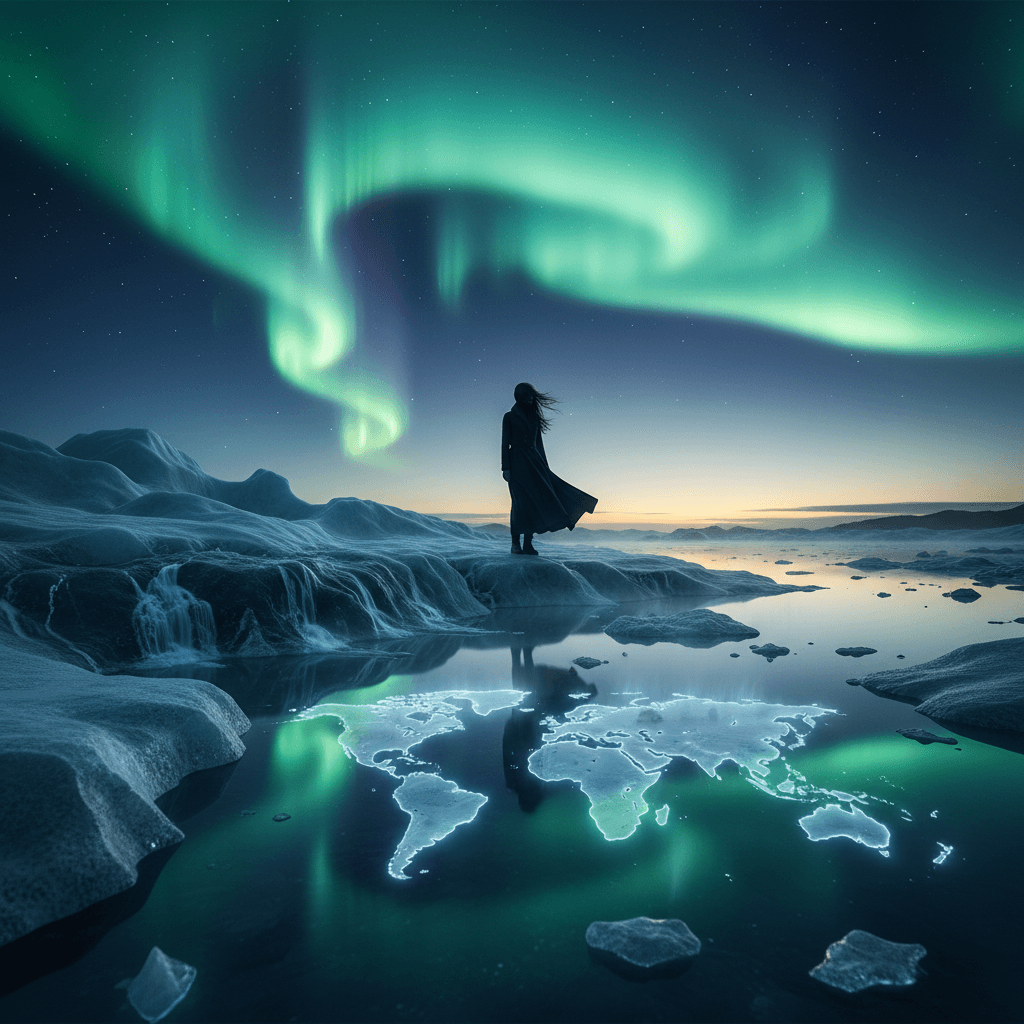
“When the map redraws itself, remember who held the pen.”
As the Arctic melts, the illusion of separation between economics, environment, and ethics melts with it.
The last land grab isn’t about borders — it’s about behaviour.
The question isn’t who owns the Arctic.
It’s who owns the mindset that shapes what happens next.
Your data. Your world. Your future.
— Project R.A.M.S.